Flooring Makeover: How to Transition Seamlessly Between Different Floor Types Mar 01, 2026
When planning a flooring transition, the first step is to consider the function and flow of your spaces. Each room has a unique purpose, and the flooring should reflect this. For instance, a kitchen generally benefits from easy-to-clean tile, whereas connecting open areas like living rooms might prefer the warmth and beauty of hardwood. By understanding how each room is used, you can make informed decisions on which flooring types to connect.
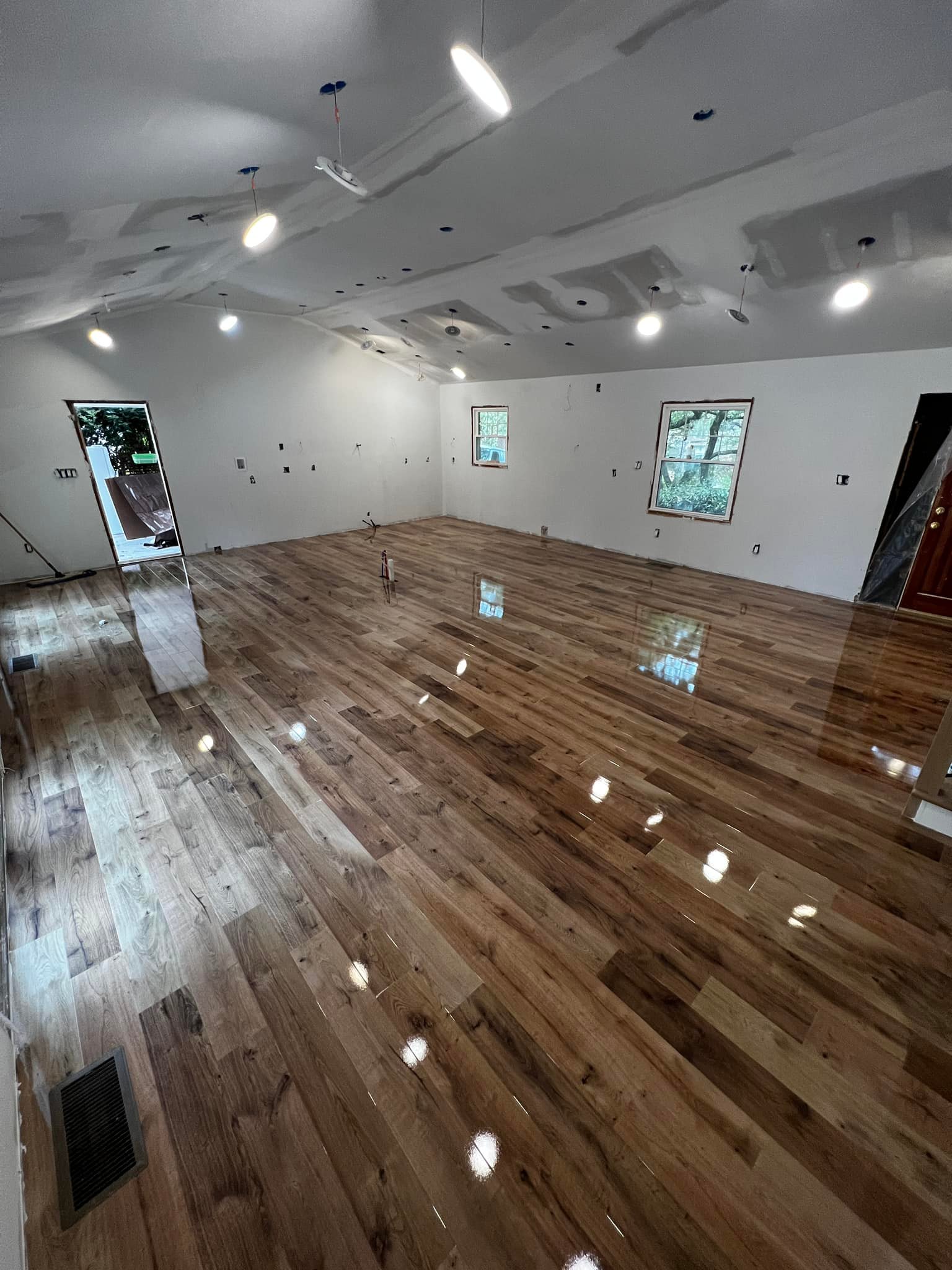
Next, consider visual harmony. A common mistake homeowners make is choosing drastically different flooring materials that clash rather than complement. At Premier Flooring and Renovations LLC, we recommend selecting materials that have a unifying element, such as a similar color palette or texture. This creates a more cohesive look throughout your space. For example, if your living area is covered in natural walnut hardwood, an adjacent hallway might carry this theme with a walnut-inspired luxury vinyl plank.
The importance of proper transition strips cannot be overstated. These often-overlooked elements are crucial to achieving a seamless look. Transition strips are available in a variety of materials including metal, wood, and rubber, and serve not only to bridge the gap between two flooring types but also to provide a safe, level surface to walk on. Choosing a transition strip that matches your flooring colors can make for an almost invisible bridge between rooms.
Height differences between floor types are a common issue. When transitioning from thick carpet to thin tile, the change in elevation can be jarring both visually and physically. To address this, opt for a gradual or reduced threshold transition strip designed to handle these height disparities. Alternatively, area rugs can subtly level minor discrepancies while adding an additional layer of style and comfort.
Preparing the subfloor is another critical aspect of flooring transition. An uneven subfloor can throw off the transition alignment, making it feel clunky and unprofessional. Before laying new flooring, ensure that the subfloor is level and clean. This might require some sanding or filling gaps depending on the materials used. Additionally, considering underlayment can provide an added buffer and assist with noise reduction, particularly helpful in staircases transitioning from hardwood to carpeting.
When it comes to choosing the right floor type and executing a seamless transition, consulting with a professional can save time, money, and future headaches. At Premier Flooring and Renovations LLC, our experienced team assists clients every step of the way, from selecting complementary materials to ensuring flawless installation.
In conclusion, with careful planning and attention to detail, transitioning between different floor types can enhance the flow and overall aesthetics of your home. Consider function, visual harmony, and proper installation techniques to ensure your flooring makeover achieves the desired look and feel. For those embarking on a flooring project, let Premier Flooring and Renovations LLC guide you to success with our expert insights and dedicated service.
/filters:no_upscale()/filters:format(webp)/media/9dd4a96e-95e0-4a9a-9d2e-d60216f69465.jpeg)